Friday, 19 October 2018

Science behind swelling

You step in a hole and turn your ankle, or tweak your knee. Acute injuries like these are easy to spot : first comes the pain, and then the swelling. 


  • Swelling is an abnormal enlargement of a body part. It is the body's reaction to injury. 
  • body always first reacts to an injury with redness, pain and heat ( inflammation ). 
  • is the result of the movement of fluid and white blood cells into the area of the injury. The release of chemicals cause pain in the area of injury.
  • must be put on the swelled region as ice can control inflammation by lowering heat and redness. Once the inflammation is gone, the swelling goes away.

Related image


SAY IT LOUD,
SAY IT PROUD,

I AM A BIO GEEK !!

Monday, 15 October 2018

Science behind Digestion

Digestion is the process of breakdown of food into simple, soluble molecules that can be absorbed by the blood to obtain nutrition. It might sound simple, but the process behind it is quite interesting.

Step 1 : The saliva contains an enzyme called the Salivary Amylase which breaks down starch into simple sugars. The ugly, saliva rich food in the mouth is called Bolus. 

Step 2 : The Bolus travels the food pipe and enters the stomach via the cardiac sphincter. In the stomach, the food reacts with hydrochloric acid to eliminate any bacteria. 

Step 3 : The Food then reacts with pepsin, an enzyme that breaks down proteins into amino acids.

Step 4 : The food exits the stomach (via pyloric sphincter) and enters the small intestine. The liver and pancreas secrete enzymes and juices into the small intestine to continue the process of digestion.

Step 5 : The partially digested food material reacts with bile secretions from the liver to break down fats into fatty acids and glycerol. It then reacts with pancreatic juice which further breaks down proteins.

Step 6 : All the broken down food molecules get absorbed by the walls of the small intestine to enter the blood stream so that they can be absorbed by the watery blood plasma. 

Step 7 : The digested food material moves into the large intestine where all the water is absorbed and the digested material exits the body.


HOW LONG DO YOU THINK THIS PROCESS TAKES TO COMPLETE ? COMMENT BELOW.

SAY IT LOUD,
SAY IT PROUD,

I AM A BIO GEEK !!

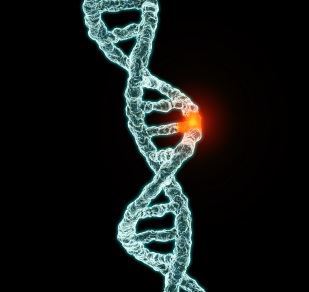
What is Mutation ?

The changing of the structure of a gene, caused by the alteration, deletion or rearrangement of single base units in DNA is known as Mutation. Mutations are of two types: Hereditary and acquired.

Hereditary : Mutations inherited from the parents are Hereditary mutations. They may be present in almost every cell in the body.                                                 

Acquired    :  Mutations caused due to environmental problems such as ultraviolet exposure and also errors during cell division are acquired mutations.


Sometimes, Mutations are a good thing because the process of evolution is by random mutation. Mutations help a species become better adapted to their environment by helping the members of the species not die. 

Related image

THIS PROCESS MADE THE WOLVERINE !
DO YOU THINK BENEFICIAL HUMAN MUTATION IS POSSIBLE?
LET ME KNOW IN THE COMMENTS BELOW, AND DO CLICK FOLLOW TO NOT MISS ANY OTHER GEEKY GOODNESS !!

SAY IT LOUD,
SAY IT PROUD,

I AM A BIO GEEK !!
Sunday, 14 October 2018

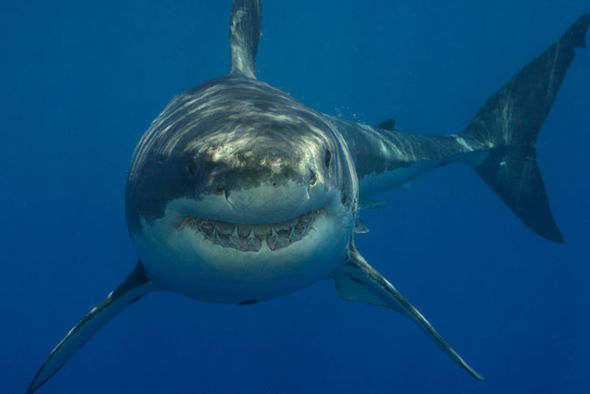
The Great white shark


  • The Great white is a flesh eating shark. It's scientific name is Carcharodon Carcharias, The same genus as the Megalodon. 
  • Great white can grow up to 20 feet in length and can weigh about 1905 kg. 
  • They have about 300 teeth in 5 rows. In a lifetime, they have about 3000 teeth.
  • It preys on marine mammals and requires an estimated 30 kg of food a day. It can swim to top speeds of 35 mph.
  • Great whites have a lifespan of 70 human years. It's infancy is marked till 20 human years of age. 
  • It can swim to depths of 3900 feet. They are of 4 feet when born and they grow 25 cm each year. 
  • They can detect the heartbeat of the prey! They have sensory organs that allow them to detect the electrical currents of the prey within a radius of 100 meters !

  • Related image
  • They also use a technique called electroreception.
  • can use their acute electric sense to detect the Earth's magnetic field by detecting the weak electric currents induced by swimming or by the flow of water.


STAY TUNED FOR MORE ON SHARKOPEDIA !!

SAY IT LOUD,

SAY IT PROUD,


I AM A BIO GEEK !!
Friday, 21 September 2018

Difference between a Cold and a Fever

When you wake up sneezing and coughing and feeling weak, How do you know whether you have cold or fever symptoms ? It is important to know that difference between the two.

COLD  

Related image

  • Cold usually begins with a sore throat, And is more likely to go away within a day or two. 
  • symptoms, runny nose and congestion follow, along with cough during the fourth and fifth days. 
  • are more likely to have a fever with a cold. Cold symptoms will most likely last for a week.


FEVER 


  • Fever is an increase in body temperature, You start feeling tired, restless. 
  • symptoms include dehydration, body pains and loss of appetite. 
  • can last for about 4-6 days depending on its cause. Viral lasts for long whereas bacterial doesn't take so long.


Now you know the difference between a cold and a fever!

Click that follow button so that you don't miss a post on Bio Geek!!

SAY IT LOUD,
SAY IT PROUD,

I AM A BIO GEEK !!